Introduction
Embarking on a hiking adventure is more than just traversing trails—it's an opportunity to connect with nature, observe local flora and fauna, and immerse yourself in the beauty of the great outdoors. As you lace up your rugged footwear and pack your portable camping gear, you're not just preparing for a day out; you're gearing up for an experience that can enrich your understanding of the environment around you.
In this comprehensive article, we will explore Identifying Local Flora and Fauna on Your Hiking Adventures, providing insights into the vegetation and wildlife you might encounter while hiking. We'll delve into various aspects of hiking, camping gear insights, outdoor survival techniques, and much more. Whether you're a seasoned backpacker or a family seeking camping tips to make the most out of your camping adventure, this guide has something for everyone.
camping outfitsIdentifying Local Flora and Fauna on Your Hiking Adventures
When you're out on the trails, identifying local flora and fauna can significantly enhance your experience. Not only does it deepen your appreciation for nature, but it also adds a layer of mindfulness to your outdoor adventures. So how do you go about identifying these elements? Here’s what you need to consider:
Understanding Ecosystems
Every hiking destination features unique ecosystems based on its geographical location, climate, and elevation. For instance:
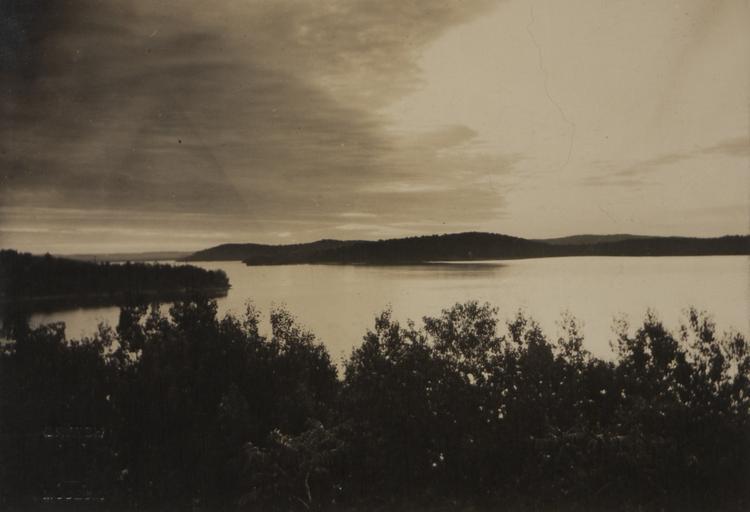
- Forested Areas: These zones are often rich in tree species like oaks or pines. Wetlands: Expect to see diverse plant life such as cattails and water lilies. Mountainous Regions: Here, you may find alpine flowers that thrive at higher altitudes.
Recognizing these ecosystems is crucial because they dictate what types of flora and fauna you'll encounter.
The Importance of Observation Skills
To identify local flora and fauna effectively:
Be Observant: Use all your senses. Look closely at leaf shapes, bark textures, flower colors, and animal behaviors. Take Notes: A field journal can be handy for jotting down observations about specific plants or animals. Use Technology: Apps like Seek or iNaturalist can help identify plants and wildlife through images.Common Flora You Might Encounter
Here’s a look at some common plant species found in various regions: | Region | Common Flora | |---------------|-----------------------| | Temperate Forests | Maple Trees | | Deserts | Cacti & Succulents | | Wetlands | Marsh Grass | | Mountains | Wildflowers (e.g., Indian Paintbrush) |
Common Fauna You Might Encounter
While hiking, keep an eye out for these animals:
- Birds: Sparrows, hawks Mammals: Deer, raccoons Reptiles: Snakes (make sure to know which are safe)
Understanding their habitats can help you spot them more easily.
Hiking Trails: A Gateway to Nature's Wonders
Choosing the Right Hiking Trail
Selecting the right trail is essential for your hiking experience. Factors such as difficulty level, length, and scenery should all play a role in your decision-making process.
Beginner Trails: If you're new to hiking or going with kids, opt for easier trails with less elevation gain.
Advanced Trails: For seasoned hikers looking for a challenge, select trails that offer rugged terrain or longer distances.
Trail Maps: Your Best Friend in Nature
Always carry a trail map—digital or paper—as part of your outdoor essentials. Familiarize yourself with landmarks that can serve as reference points while identifying local flora and fauna along the way.
Camping Gear Insights: Essentials for Identifying Flora and Fauna
When planning overnight hikes or camping trips focused on wildlife observation:
- Invest in quality binoculars for bird watching. Use a camera to capture moments with local fauna. Consider purchasing educational books about botany or zoology.
Best Camping Tents for Wildlife Enthusiasts
For those who want to maximize their wilderness trekking experiences:
- Look into four-season tents if you're planning trips during colder months. Innovative hot tents are excellent options for winter camping adventures where warmth is necessary.
Outdoor Survival Skills: The Basics of Safety While Exploring Nature
As exciting as identifying flora and fauna can be, safety should always come first when exploring unfamiliar territories.
First Aid for Outdoor Adventures
Knowing basic first aid skills can save lives during unexpected situations:
Treat insect bites promptly. Know how to handle cuts or scrapes using proper cleaning techniques. Have an emergency kit handy that includes bandages and antiseptics.Camping Tips: Making the Most Out of Your Experience
Planning a successful camping trip requires attention to detail. Here are some practical tips:
Eco-Friendly Camping Practices
Practicing sustainability is vital when enjoying nature:
- Leave no trace by properly disposing of waste. Stick to established trails to prevent damaging native plants.
Campfire Safety Guidelines
If you're planning on cooking outdoors using campfires:
Establish fires in designated areas only. Keep water nearby in case flames get out of control. Extinguish fires completely before leaving!Exploring Local Wildlife Observation Techniques
If observing wildlife fascinates you during hikes:
Remain quiet; loud noises scare away animals. Use camouflage clothing if possible. Understand animal behavior—some creatures are nocturnal!Photography in Nature: Capturing Moments with Local Fauna
Photography enhances our connection with nature—here's how to improve your skills:
Learn about lighting conditions; early morning offers soft light perfect for shots. Use zoom lenses when photographing wildlife from afar.Camping Destinations Worth Exploring For Flora & Fauna Lovers
When searching for ideal locations that promise rich biodiversity consider places like national parks or state reserves known for their ecosystems:
| Destination | Features | |-------------------|---------------------------------------------| | Yellowstone NP | Diverse wildlife including bison & wolves | | Great Smoky Mountains | Rich plant diversity & beautiful landscapes | | Yosemite NP | Iconic trees like Sequoias & stunning vistas|
Camping Deals: How To Save While Experiencing Nature’s Beauty?
Finding great deals adds tremendous value to any outdoor adventure! Here are some tips:
Check online platforms regularly — they often have seasonal discounts! Consider group camping activities as they usually cost less per person compared to solo trips.FAQ Section
Q1: What should I bring on my hike?
A: Essentials include plenty of water, snacks high in protein energy bars are great choices), a map (or GPS device), first aid kit items (band-aids/antiseptic wipes), rugged footwear appropriate clothing layers depending upon weather conditions).
Q2: How do I identify different plant species?
A: Use apps like Seek or iNaturalist! Additionally investing time studying local botany guides helps familiarize yourself with common plants found along trails within specific regions!
Q3: What’s the best time of year for observing wildlife?
A: Spring and fall often yield excellent opportunities since animals tend towards activity patterns during mild temperatures while avoiding extreme heat/cold conditions respectively!
Q4: Can I camp anywhere?
A: No! Always check regulations regarding public lands before setting up camp—some areas require permits due environmental protection policies!
Q5: How do I ensure my campsite remains eco-friendly?
A: Follow Leave No Trace principles; pack out all trash/toiletries used leave natural habitat untouched where possible!
Q6: Why is it important to learn about local flora/fauna?
A: Understanding ecosystems promotes respect towards environment fosters appreciation towards conservation efforts ultimately crucial preserving biodiversity future generations’ enjoyment!
Conclusion
In summary, identifying local flora and fauna while hiking opens doors not just concerning camping gear knowledge but also creates lasting memories intertwined with nature's beauty itself! By equipping oneself adequately—from selecting suitable trails utilizing effective observation techniques—you’re bound not only enjoy stunning views but also contribute positively towards sustainable practices ensuring preservation future generations share same bond we cherish today!
So grab those trail maps pack some camping gear insights embark upon wilderness trekking journey packed full learning opportunities unforgettable experiences awaiting discovery next hike plan make sure remember key aspects discussed here enrich adventure every step way!